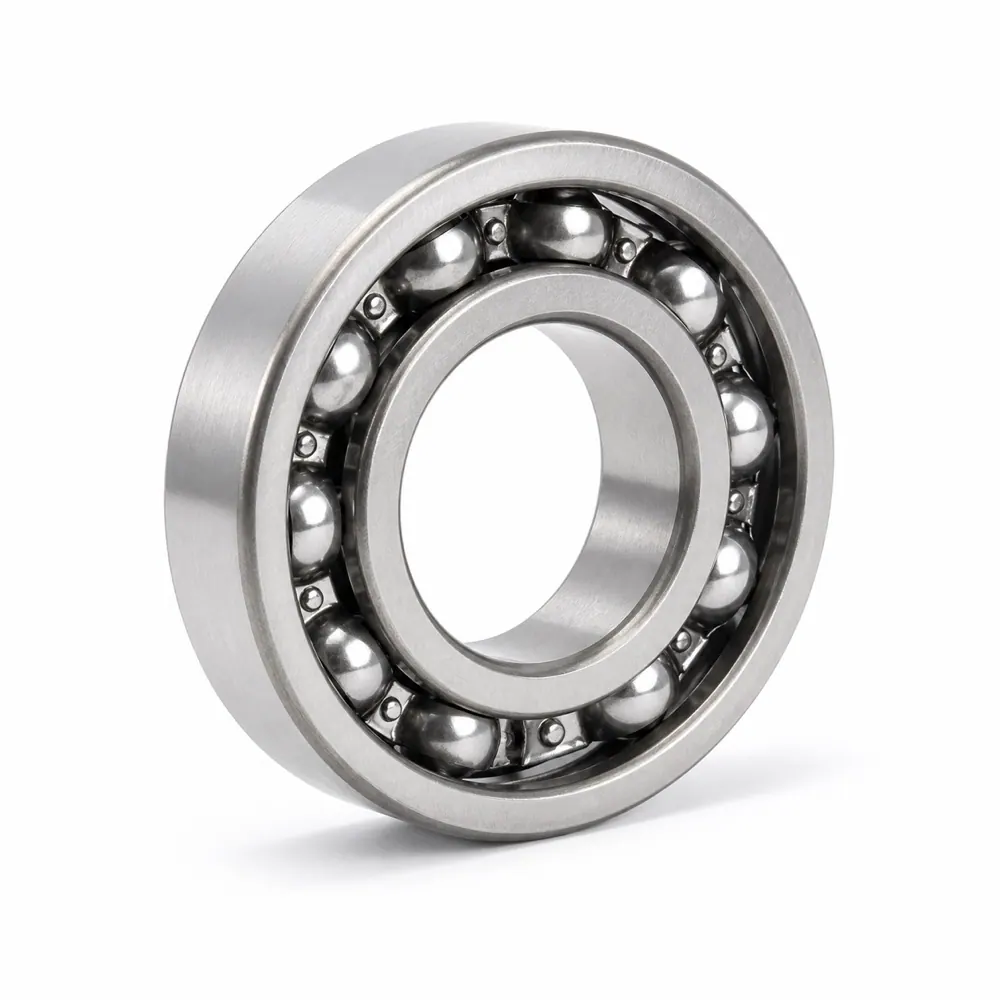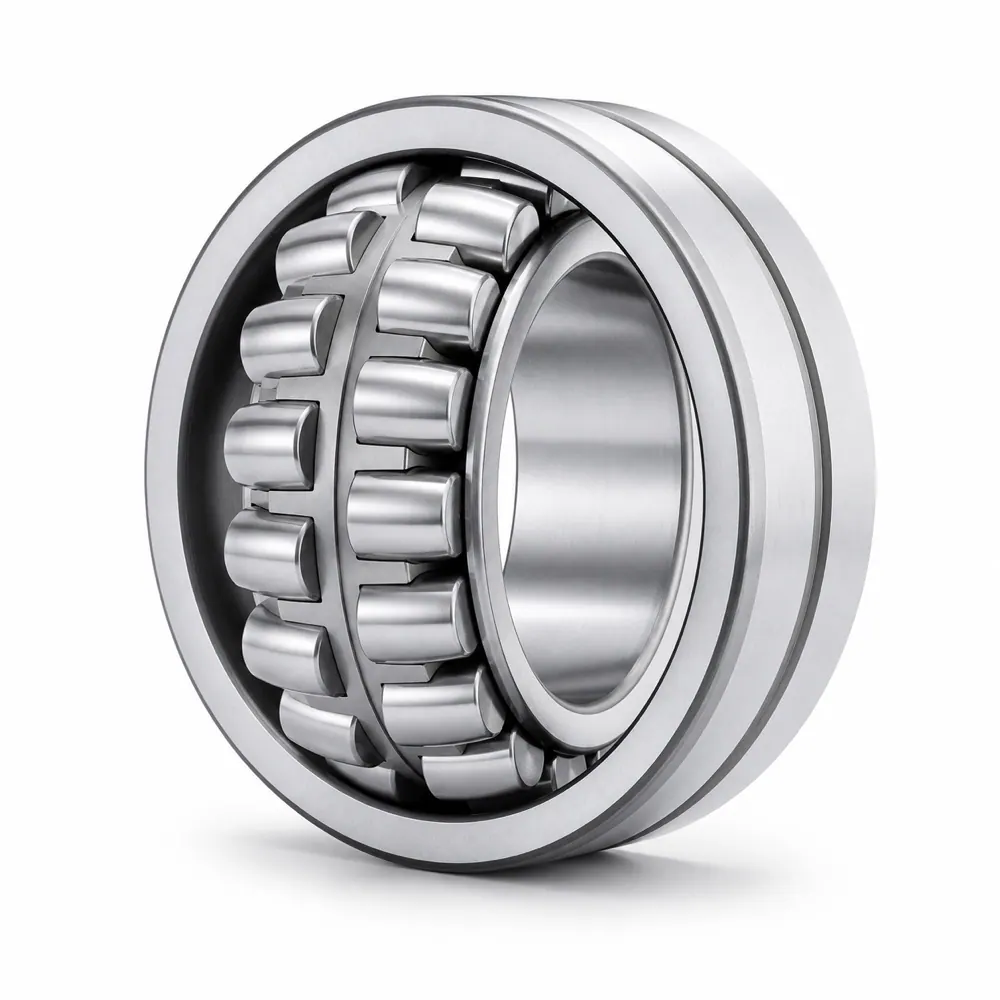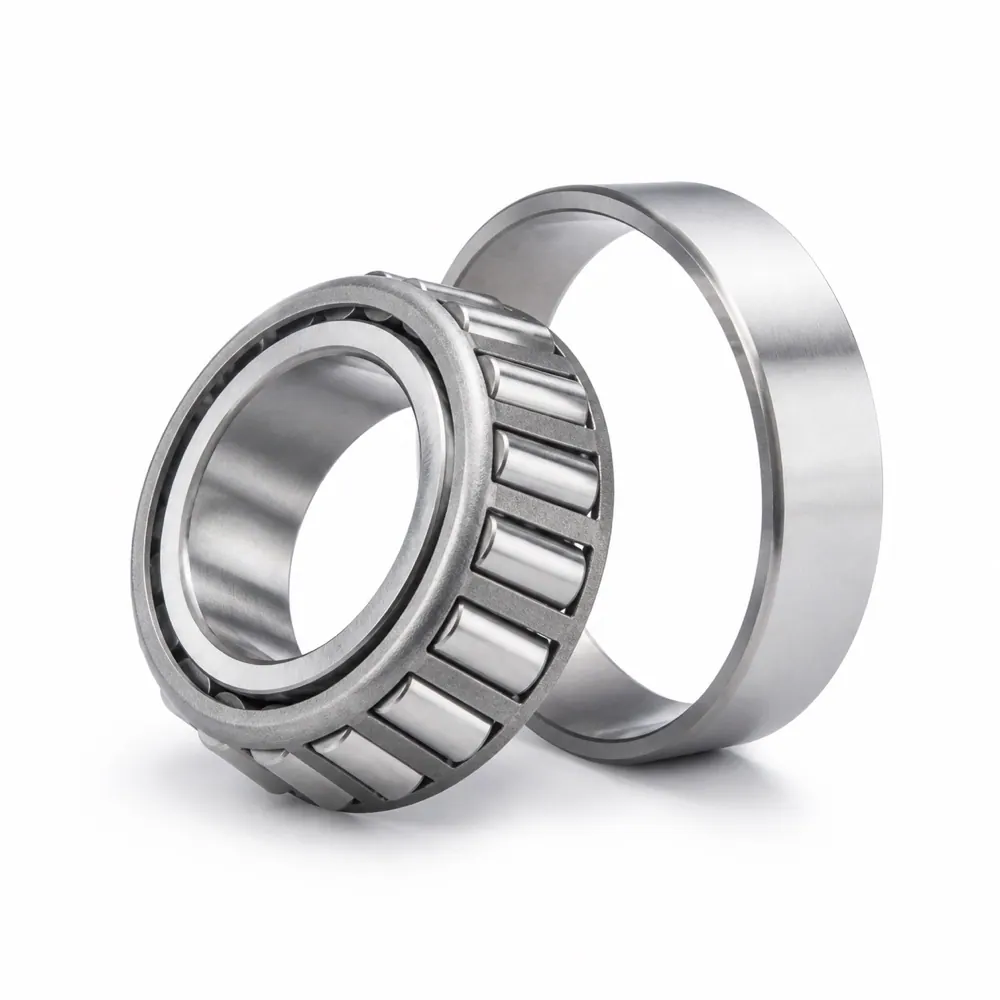
A bearing shipment can arrive on time with the correct carton count and still leave important acceptance questions unanswered. Was the protective packaging damaged? Can each item be connected to the purchase order and lot record? Will the stock be installed immediately or kept through a long maintenance cycle? Good bearing storage guidelines start before dispatch, continue through receiving and remain relevant until installation. This checklist helps industrial importers, OEMs and distributors organize that handover. It is a buyer's control framework, not a universal storage specification, a damage diagnosis or a substitute for the actual manufacturer's instructions.
Key takeaways
- Separate shipment receipt, technical inspection and stock release; a signed delivery receipt is not application approval.
- Record the condition of outer packaging and the individual protective barrier without opening every bearing unnecessarily.
- Use product-specific storage instructions and review dates, not a universal shelf-life promise.
- Keep doubtful stock identifiable and on hold until its condition and disposition are documented.
1. Separate delivery receipt from technical release
Define three distinct events in the receiving process: physical receipt of the shipment, completion of the agreed inspection and authorization to issue stock. A warehouse signature records a delivery event under the applicable process. It should not silently become confirmation that every technical requirement has been checked or that the bearing is approved for a machine.
Before dispatch, agree who owns each decision. The receiving team can record visible condition and quantities; quality personnel review the defined acceptance evidence; engineering resolves application or execution questions. State how exceptions move between them and which stock status prevents an unreviewed item from reaching assembly or a distributor's customer.
Keep commercial correspondence separate from the technical disposition while linking both to the same order. A request for replacement packing is not necessarily acceptance of the enclosed bearing, and a carrier claim does not establish a technical root cause. Clear ownership lets the buyer preserve evidence without making a premature acceptance or rejection decision.
2. Agree the packaging scope before the export order is released
Ask the supplier to describe the individual bearing protection, grouping within cartons and outer shipment packaging. Treat these as separate layers with different purposes. A pallet photograph may show transport preparation but cannot establish the condition of every individual protective package or identify the preservative applied to a component.
Include the anticipated transport route, handling points and destination storage plan in the enquiry. Ask what conditions the proposed packing is intended to address, which limitations apply and what information must accompany the goods. Request confirmation of the actual packing offered for the order rather than interpreting export packing as an unlimited corrosion guarantee.
Identify how the packing list maps cartons and packages to models, quantities and agreed lot references. For mixed orders, request a structure that receiving staff can use without dismantling the whole shipment. Agree any required photographs or records before dispatch; this article does not claim that Mainland supplies a particular packing system or inspection service by default.
- Identify individual protection, carton grouping and outer transport packing separately.
- State the expected route and destination storage conditions for supplier review.
- Agree package identification, document references and any required dispatch evidence.
- Record deviations and acceptance responsibilities in the confirmed order.
3. Capture arrival evidence before disturbing the shipment
Use the agreed receiving plan to record delivery date, shipment reference, package count and visible condition before unpacking changes the evidence. Photographs should connect an overview to identifiable package labels and any affected area. Record observations such as a crushed corner or a wet outer carton without immediately naming the cause or extent of bearing damage.
Distinguish damage to an outer transport layer from damage to the individual protective barrier. If a carton is affected, identify the enclosed package references through controlled inspection rather than assuming that every item is defective or that the internal barrier must be intact. Keep uncertain material separate while the designated reviewer decides what examination is appropriate.
Follow the applicable carrier, contract and site requirements for reporting discrepancies and unsafe unloading conditions. Do not invent a universal claims deadline. Preserve the original packing evidence where required, connect the report to the order and document who was notified. A later investigation is much stronger when observations were recorded before repacking or mixing lots.
4. Verify the complete supplied identity, not just the base model
Compare the purchase order, approved drawing or specification, packing list and received identification. A base designation and matching boundary dimensions are not the entire order definition. Closure, clearance, cage, lubrication execution and included accessories may need separate confirmation. Record missing information as unresolved instead of inferring an execution from appearance or a familiar suffix used by another manufacturer.
For a tapered roller bearing order, clarify whether the quoted quantity refers to complete bearings or separately supplied components. Keep cone and cup identification connected to the approved supply scope; do not mix loose components to create a supposedly equivalent set. Use the relevant supplier definitions and application documentation when a component identity or matching requirement is unclear.
For repacked distributor stock, retain the connection to original model and lot information. A new internal label can help warehouse handling, but it should not replace the evidence needed to trace the supplied execution. If labels conflict, place the affected material on hold and request a documented reconciliation before it is allocated to a production order.
5. Protect individual packaging during incoming inspection
JTEKT/Koyo's storage guidance connects corrosion protection with the protective wrapping and advises avoiding direct sunlight and cold walls. The practical receiving implication is to plan inspection access instead of opening every package simply to count bearings or take photographs. Agree which information can be verified externally and which checks actually require opening selected material.
Where inspection requires opening, use the approved sampling and handling procedure, including the required clean area, tools and protection. Record the opened package references and what happens afterward. A package that has been opened for inspection should not quietly return to stock carrying the same undocumented assumption of untouched protection.
Define who authorizes any preservation or repacking after inspection and which materials or instructions apply. Do not wash, wipe away protection or add a convenient workshop oil merely to improve the appearance of a sample. The compatibility and suitability of those actions need technical review for the actual bearing and its intended lubrication arrangement.
6. Define the storage location using the applicable product instructions
NTN's storage guidance emphasizes humidity control, keeping bearings above ground level and avoiding excessive stacking of boxes. These are useful issues to review when allocating warehouse space. Its specific numerical recommendations belong to its published guidance; they are not automatically a released Mainland storage specification or a safe stacking limit for a different package.
Ask for the applicable storage conditions for the actual bearing, protective system and planned duration. Identify where those requirements are controlled in the warehouse and how excursions are recorded. If a requirement cannot be met at the destination, raise it before accepting the proposed protection rather than relabeling the location as suitable after the goods arrive.
For heavy or large items, obtain the required support, orientation and handling instructions and use suitable site lifting procedures. Keep the bearing-level support requirement separate from a carton or pallet stacking proposal. A shelf's rated capacity does not, by itself, approve the support or packaging arrangement for the component placed on it.
- Identify the applicable storage instruction and the product or packaging it covers.
- Confirm the storage location can meet the agreed environmental and handling requirements.
- Resolve support, orientation, stacking and safe handling before placing heavy stock.
- Record opened packages, location changes and any observed storage excursions.
7. Review condensation and vibration as separate risks
NSK lists moisture condensation, water or corrosive gas entry, unsuitable storage and handling among possible causes of bearing rust and corrosion. Its examples show why a bearing can develop corrosion while stationary. Those examples identify mechanisms to investigate; they do not prove the cause of a stain found in an unrelated shipment.
Ask what the component experienced during transport, receiving and storage, especially when records show a change of location or an environmental incident. Preserve observations about packaging and exposure together. If there is doubt about opening or conditioning a received package, request the applicable instruction rather than imposing a generic waiting period or temperature threshold from this guide.
KRW also warns against sustained vibration or shocks during storage because standstill damage can result. Review the proposed location for that risk separately from humidity. A space can appear dry and clean while remaining unsuitable under the actual manufacturer's requirements. Any needed relocation or transport protection should be reviewed against those instructions, not improvised as a new bearing acceptance test.
8. Manage stock age without inventing a universal shelf life
KRW states that a general storage period cannot simply be assigned to all rolling bearings; its own published periods depend on specified protection and conditions. This distinction matters to buyers comparing offers. Another brand's storage period is not evidence for how long an unidentified Mainland execution can remain acceptable in a different warehouse.
Keep production, preservation or packing, grease filling where relevant, receipt and opening dates distinct. Ask which date starts the applicable storage or review period and what evidence supports it. An internal receiving date should not automatically restart an earlier preservation interval. If the history is incomplete, identify the uncertainty instead of creating a replacement date.
Use stock rotation together with scheduled review and exception control. First-in, first-out is useful inventory discipline, but does not override a hold status, an earlier review requirement or a damaged protective package. Ask the responsible reviewer to decide whether older or opened stock needs assessment before release; do not promise that visual appearance alone extends its approved storage period.
9. Put doubtful material on hold with a useful evidence record
Create a clear hold route for wet or torn protective packaging, identification discrepancies, visible corrosion, impact concerns or an exceeded review date. Specify the affected identifiers and quantity so an uncertainty about one package does not become an untraceable statement about an entire shipment. Ensure the system and physical location prevent accidental issue while disposition is pending.
Do not turn a receiving check into an unauthorized repair. Removing corrosion, polishing surfaces, opening sealed bearings or mixing a new preservative can destroy evidence and change the component's condition. Request the approved assessment and disposition from the relevant technical parties. This article provides no cleaning recipe or rule for declaring a corroded bearing fit for service.
A useful report contains the observation, not just a pass or fail label. Include package and bearing identification, photographs, dates, known storage history, the applicable requirement and the immediate containment action. Record the final disposition and its authorization separately. That gives purchasing a defensible basis for a replacement, further assessment or release discussion.
10. Use a release sheet that carries the evidence into stock
A compact receiving record can use three status columns: confirmed to the order, deviation under review and information outstanding. Apply them separately to identity, quantity, protection, required documents and any agreed sample checks. A complete packing list cannot close an unresolved inspection result, and an acceptable sample cannot repair missing identification for other packages.
For illustration, consider a delivery with a crushed outer carton, an apparently intact individual barrier and a missing lot reference. This is a decision exercise, not a Mainland customer case. Record each observation, preserve package identity and ask for the missing traceability evidence. Do not use the undamaged-looking barrier as permission to ignore the document gap.
On release, retain the applicable storage instruction, review date if required, package-opening history and approval reference with the stock record. If only part of the shipment is released, identify that subset explicitly. The goal is a handover in which the next warehouse or assembler can see what was checked and what conditions still apply.
11. Add the receiving plan to the next bearing RFQ
Ask suppliers to confirm the complete bearing execution, individual and outer packing, identification structure, relevant preservation information and storage instructions. State which records are required with the shipment and what happens when packaging has to be opened for agreed sample inspection. Request a separate list of exceptions rather than accepting an unexplained standard export packing statement.
Provide quantity, destination, expected stockholding period and any known handling or environmental constraints. Ask the supplier to identify assumptions that need technical approval and the available order-specific solution. Keep price, MOQ and lead time linked to that confirmed scope; this guide does not establish a standard Mainland packing life, inspection package or guaranteed stock duration.
Use the linked category and model pages to prepare the starting enquiry, then agree the full delivery and acceptance definition in writing. Good receiving and storage control does not need a complicated slogan. It needs identifiable goods, preserved evidence, applicable instructions and a named owner for the release decision before the bearing reaches the machine.
Frequently asked questions
How long can industrial bearings be stored before installation?
There is no single period for every bearing. Obtain the applicable requirement for the actual execution, lubricant or preservation, packaging and storage conditions. Confirm its start date and review rules. Do not apply another manufacturer's published period as a Mainland guarantee.
Should we open every bearing package during receiving inspection?
Follow the agreed inspection and sampling plan. Separate checks available from external identification from those requiring opening. When a package is opened, record its identity and follow the approved handling, preservation and repacking requirements before returning it to stock.
Does a damaged outer carton mean every enclosed bearing must be rejected?
Not automatically, and it does not establish acceptance either. Preserve evidence, identify the affected individual packages and contain uncertain stock. The designated reviewer should decide the assessment and disposition against the order and applicable instructions.
Is first-in, first-out enough to control bearing shelf life?
No. Stock rotation must work with condition, traceability, the applicable review date and release status. An older hold item cannot be issued simply because it arrived first, and a new receipt date does not reset an earlier preservation period.
Can receiving staff remove rust before deciding whether a bearing is acceptable?
Do not improvise cleaning or repair. Keep the affected stock identifiable, preserve its condition and request an approved technical assessment. Removing marks or adding oil can change evidence without establishing that the bearing is fit for its intended application.
Technical references
This guide uses recognized references as a technical framework. Final requirements must be confirmed for the specific bearing and application.
- KRW Leipzig: Storage and Durability of Bearings, preservation, storage and transport conditions ↗
- NTN Global: Bearing storage, humidity, raised storage and stacking precautions ↗
- JTEKT/Koyo: Storage of bearings, protective packaging and storage location ↗
- NSK Europe: Rust and Corrosion, damage conditions and possible causes ↗