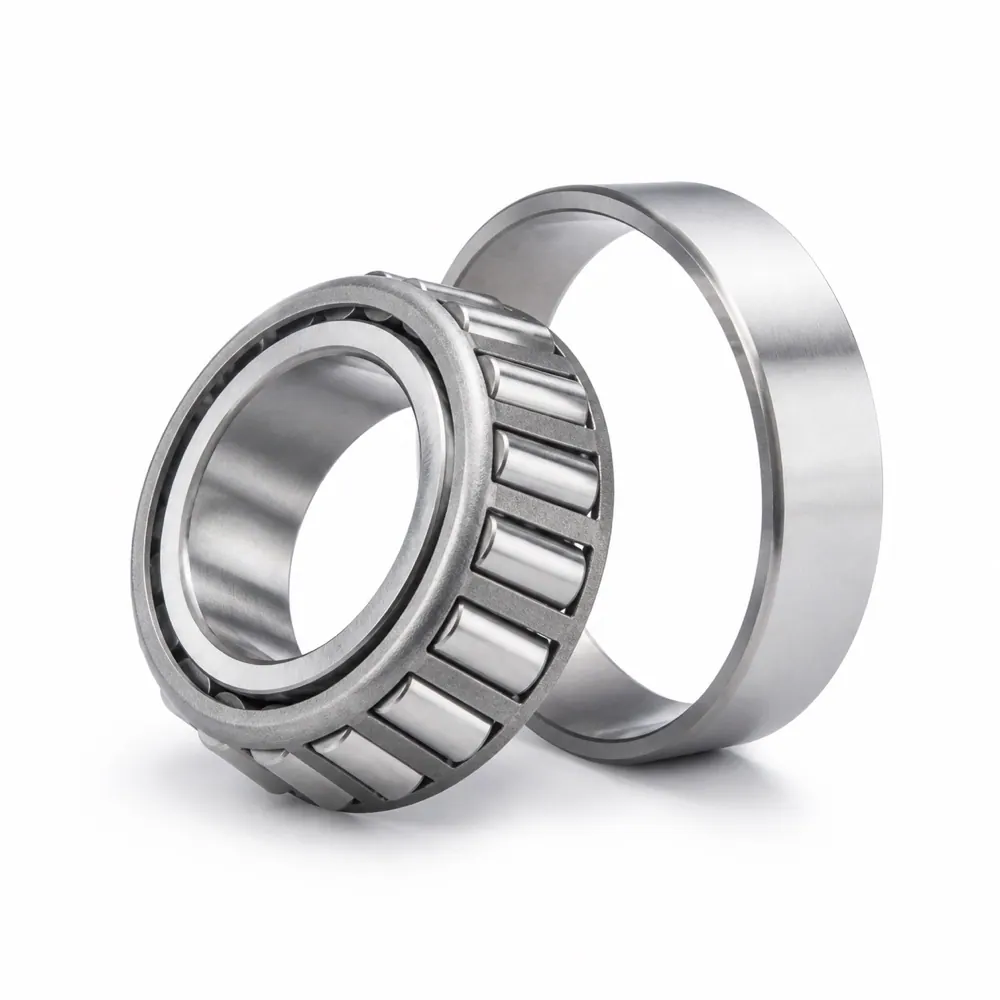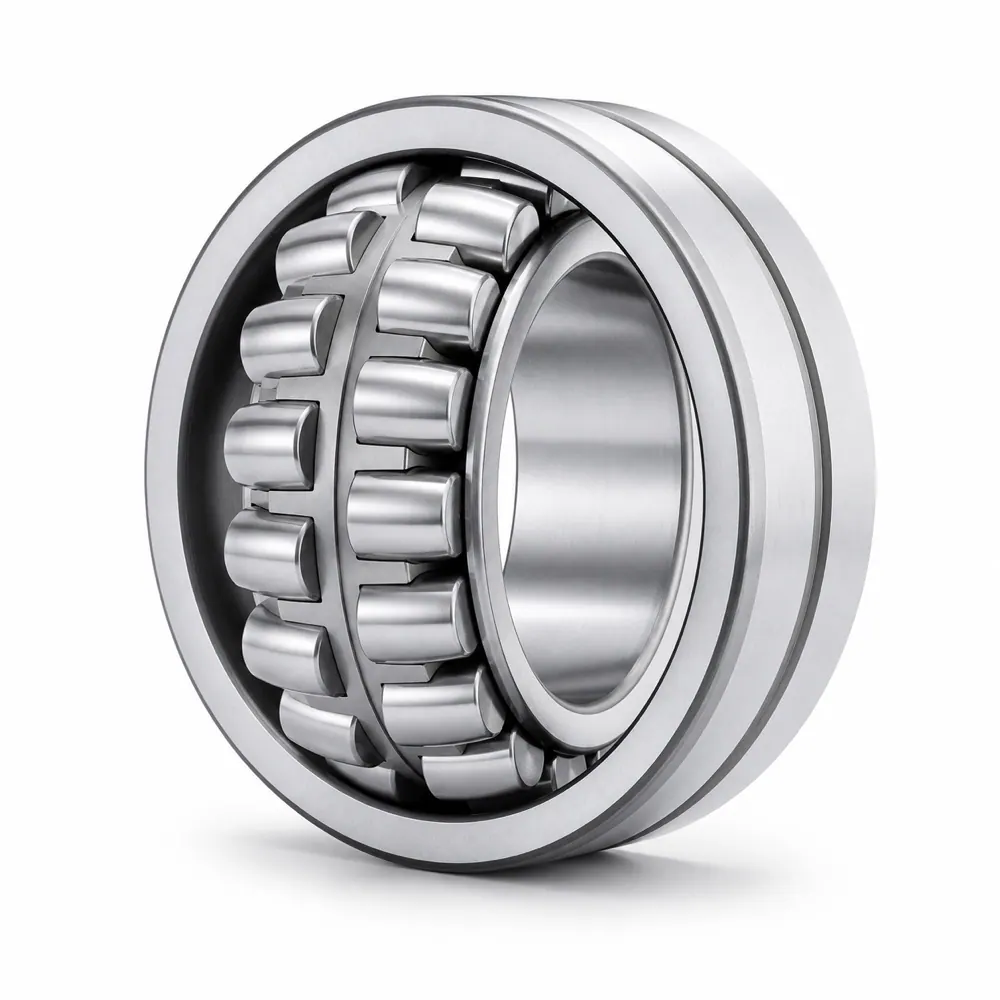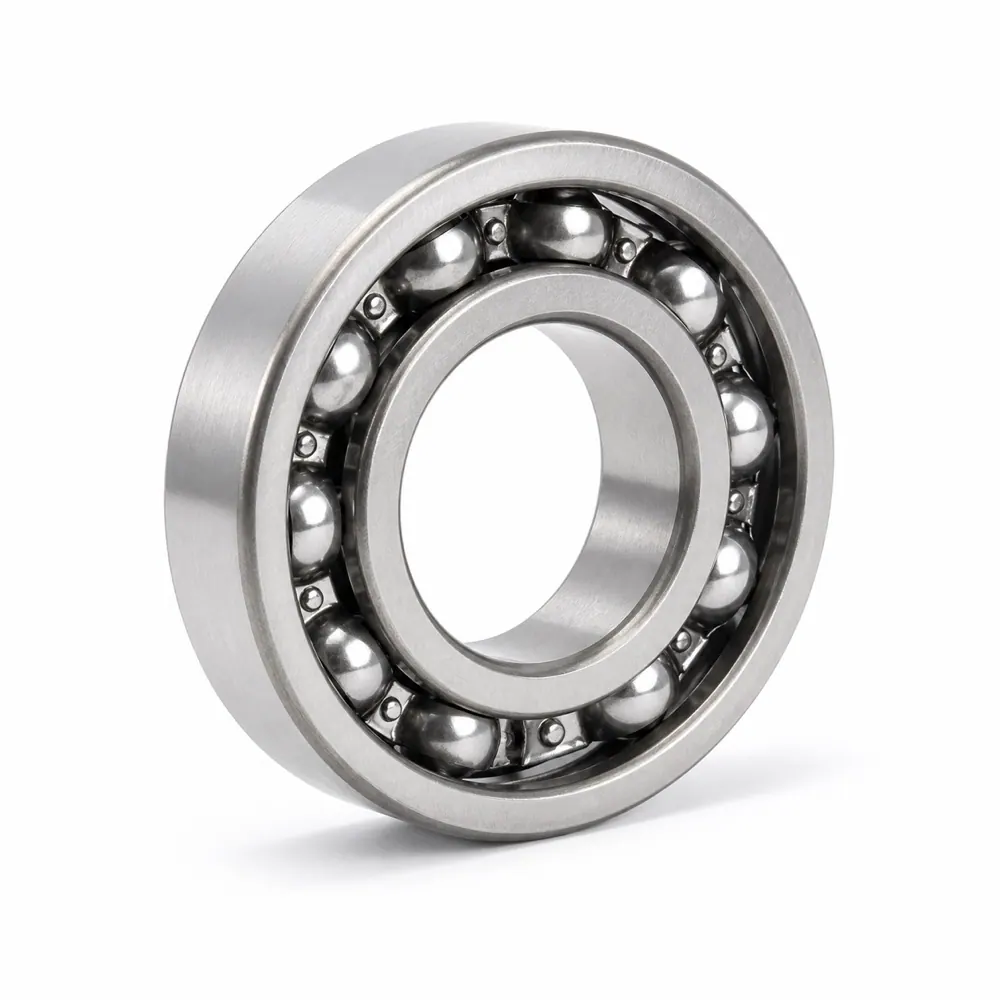
Two quotations can list the same bearing model, clearance and seals while leaving lubrication fundamentally different. One supplier names an approved grease; another promises a high temperature equivalent without defining the product or quantity. For an OEM buyer, that is an unresolved specification, not a minor purchasing detail. This guide turns bearing grease selection into a reviewable procurement package: application inputs, exact lubricant identity, fill definition, compatibility evidence and change approval. It is not a lubricant recommendation for an unidentified machine, a maintenance procedure or a statement of Mainland product performance. Confirm every supplied execution and acceptance requirement in the actual quotation.
Key takeaways
- Identify the exact grease product and approved revision, not just its color, thickener or consistency.
- Separate base oil viscosity, grease consistency, bearing fill and housing fill into different specification fields.
- Treat a lubricant substitution as an engineering change, with compatibility and application evidence.
- Keep unresolved lubrication requirements visible before releasing samples or a production purchase order.
1. Define the bearing lubrication responsibility before comparing prices
Start by deciding what the supplier is actually delivering: a bearing supplied with an agreed lubricant, an open bearing for lubrication during assembly, or part of a separately engineered housing system. Record who selects the grease, who applies it and who approves the completed arrangement. Without that division, two technically different offers can appear commercially interchangeable.
Keep the full bearing designation, drawing revision, closure, clearance and lubrication requirement on the same controlled enquiry. A base model identifies neither a particular grease nor the maintenance strategy. For an existing machine, obtain the approved equipment documentation rather than reconstructing the requirement from an old carton or the appearance of a removed bearing.
For a new application, assign unresolved selection questions to the responsible engineer and lubricant supplier. Purchasing can organize the missing inputs and compare evidence, but should not invent a grease grade to close a quotation. Mark the order as awaiting technical definition until the relevant owner accepts the proposed execution.
2. Specify grease identity separately from its headline properties
NSK describes grease as a combination of base oil, thickener and additives. Each is part of the lubricant definition; a familiar thickener description alone does not identify the entire formulation. For procurement, request the manufacturer's exact product designation, current technical data sheet and the revision or issue date being offered.
Record the supplier's stated base oil type, viscosity at the stated reference temperature, thickener and consistency classification in separate fields. Preserve the original units and test references. These fields help a reviewer locate differences; they do not create permission to substitute any other product whose short description looks similar.
Avoid requirements such as blue grease, premium grease or standard motor grease unless they accompany an approved product identity. Ask the supplier to identify the lubricant in both the quotation and production record. If a proprietary factory code is proposed, request enough controlled information for engineering approval and later change detection, rather than assuming the code guarantees equivalence.
3. Do not confuse NLGI consistency with base oil viscosity
JTEKT/Koyo explains grease consistency in terms of penetration and NLGI classification. That describes a different property from the viscosity of the base oil. A statement such as NLGI 2 is therefore not a complete lubrication specification, nor a numerical viscosity value. Keep the two descriptions separate when reviewing a supplier's data sheet.
The buyer's comparison sheet should reproduce each property with its units, reference temperature where applicable and source document. If an offer provides consistency but omits base oil viscosity, ask for the missing information. Do not fill that gap from a generic chart or a different product that happens to share the same consistency class.
Ask engineering to identify which documented properties are acceptance requirements and which are descriptive information. A useful specification also explains how alternatives are reviewed. This prevents an automated purchasing system from accepting a replacement solely because one familiar field matches, while leaving the actual lubricant identity and application approval unresolved.
4. Give the reviewer an operating envelope, not an industry label
Prepare a concise application brief identifying the bearing position, complete arrangement, expected speed profile and loading information available from the equipment designer. Include starts, stops, standby periods and unusual duty changes. Electric motor, conveyor or agricultural machine is useful context, but is not a substitute for the operating information needed to assess a proposed lubricant.
Distinguish ambient temperature from the bearing temperature used in an approval. State whether a value is measured, calculated or only an initial assumption, and where a measurement was taken. SKF's discussion distinguishes grease operating limitations from dropping point. Do not turn the highest temperature printed on a data sheet into an approved continuous bearing operating condition.
Describe the enclosure, water or dust exposure, maintenance access and any documented material restrictions. Ask which assumptions remain open. Where a supplier proposes a lubricant on incomplete information, retain that limitation on the review sheet and define who must close it before the application is released.
- Identify the bearing position, arrangement drawing and operating duty owner.
- Separate measured conditions, design requirements and unverified assumptions.
- Record contamination exposure, maintenance access and relevant material requirements.
- Assign each missing input to a named technical reviewer before approval.
5. Define bearing fill, housing fill and replenishment separately
A percentage without a defined reference volume is ambiguous. Ask whether the proposed fill concerns the bearing's internal free space, the housing's available space or another defined assembly volume. NSK's guidance makes housing filling dependent on operating and arrangement conditions. It should not be converted into a universal Mainland filling percentage.
Document the approved initial charge with its units, reference definition, tolerance where specified and application method. If production controls the charge by mass, ask how that acceptance quantity relates to the approved drawing or instruction. Do not calculate grams from an assumed free volume and an unrelated grease density merely to complete the purchase order.
Replenishment is a separate maintenance question. SKF describes initial churning and later lubricant feeding within a bearing system, and explains why excessive grease can produce additional losses and heat. More is not automatically safer. This article gives no generic initial fill, relubrication dose, interval or grease life; obtain arrangement-specific instructions from the responsible technical parties.
6. Require evidence before accepting a compatible grease alternative
KRW warns that lubricant mixing depends on oils, thickeners and additive behavior, and that meaningful compatibility conclusions require appropriate tests. It advises consulting the lubricant supplier before mixing. A general compatibility chart is a screening reference, not approval for two unidentified commercial formulations in a particular machine.
Ask whether the proposal concerns a newly manufactured bearing, a serviced assembly containing residual grease or a shared lubrication system. Those are different review scopes. Identify both exact products and the condition in which they might meet. Request the supplier's written assessment, supporting evidence and explicit limitations; do not substitute a claim that the colors or thickener names match.
If the existing lubricant cannot be identified, treat the uncertainty as an engineering issue. Do not issue a universal purge, solvent cleaning or replacement instruction from this procurement guide. The approved transition method must account for the actual assembly, access and safety requirements. Keep the alternative on hold until the responsible owner accepts the complete change package.
7. Match sealed bearing scope to the maintenance plan
Resolve whether the offered bearing is open, shielded or sealed using the complete order definition. Then ask how the supplier's lubrication execution relates to that closure and the intended maintenance plan. A closure abbreviation alone is not a grease product code, a fill record or evidence for a particular service life.
For a factory-lubricated assembly, request confirmation of the lubricant identity and the agreed production acceptance record without instructing staff to open a supplied bearing for an improvised check. Any destructive examination, sample disassembly or special inspection needs an agreed method and sampling scope. Do not assume a photographed open sample represents every sealed unit in the shipment.
For a relubricatable arrangement, identify who supplies the housing instructions and maintenance documentation. Keep these documents separate from the bearing quotation but linked by the equipment and bearing references. If access, delivery method or responsibility remains unclear, resolve it before treating the bearing purchase as a complete lubrication-system approval.
8. Compare supplier replies using confirmed, deviation and pending statuses
Use a line-by-line decision sheet rather than a single compliant checkbox. Useful rows include bearing execution, grease product, data sheet revision, approved fill definition, traceability, required sample documents and change control. Give each row one of three statuses: confirmed to requirement, proposed deviation or awaiting information. Keep the supporting document beside the status.
Consider an illustrative comparison, not a Mainland customer case. Offer A names the approved lubricant but leaves the fill reference undefined. Offer B proposes an alternative grease and says the quantity is standard. Neither is automatically ready for release. Return the specific missing questions, while allowing price, packing and shipping discussions to continue independently.
Record which event authorizes samples and which authorizes production. A sample purchase made to investigate an alternative is not approval for future commercial shipments. Separating those decisions makes it possible to compare price and lead time without disguising technical uncertainty as a completed supplier qualification.
9. Build sample acceptance and traceability around the approved requirement
Ask the quality owner to define the sample plan before material is ordered. The plan should identify the exact bearing execution, lubricant documentation, fill acceptance reference and application evaluation required for this project. State which checks concern document review, which concern production records and which need an agreed physical assessment.
Keep sample identifiers connected to the production proposal. Request the grease batch reference where agreed, relevant supplier records and a way to trace the bearing shipment to the approved execution. A generic certificate with no link to the order cannot establish which lubricant was used for that batch.
Define how an unexpected result is handled: retain the sample identity, record the conditions, stop the affected approval and assign investigation. Avoid inventing a universal temperature, noise or torque limit for all bearings. An agreed test with known applicability is more useful than a long inspection list containing no defensible acceptance criteria.
- Approve the sample purpose, method, acceptance reference and responsible reviewer.
- Link lubricant identity and relevant batch records to the bearing order.
- Separate document acceptance from any agreed application validation.
- Keep deviations open until disposition is recorded by the authorized owner.
10. Put lubricant substitution and formulation changes under control
An approval should identify its scope and revision. State that a proposed change to the approved grease product, formulation information, fill instruction or lubrication location requires review before affected production is released. Ask how the supplier will identify changed lots and notify the buyer, rather than relying on an informal promise that performance will remain the same.
When a product is discontinued or supply becomes constrained, request the reason for the change, proposed replacement identity, relevant supporting documents and the affected order schedule. Ask the technical owner what reassessment is necessary. Do not silently broaden the purchase description to any equivalent grease merely to preserve an estimated shipment date.
Keep commercial consequences visible: sample cost, approval timing, MOQ and any delivery impact should accompany the technical proposal. Request the actual available execution from Mainland; this guide does not promise a particular lubricant brand, custom fill, test service or stock position. Availability and agreed responsibilities belong in the confirmed quotation.
11. Send an RFQ that makes unanswered questions easy to find
An effective enquiry might read: Please quote the attached bearing designation and drawing revision. Identify the offered grease by manufacturer and exact product code, supply its current data sheet and confirm the approved fill instruction or list the information needed to establish it. State every deviation separately. No lubricant substitution is approved by this enquiry.
Add the application brief, requested quantity, sample needs, destination and required shipping terms. Ask the supplier to distinguish confirmed production lead time from an estimate that depends on sample approval. Request the proposed traceability documents and change notification process. Keep unresolved technical questions in the reply rather than burying them in an attachment nobody has accepted.
Use the linked product range and model pages to identify the enquiry baseline, then discuss the complete order-specific execution. The goal is not a longer specification for its own sake. It is a purchasing record in which engineering, quality and the supplier agree what will be delivered, how it will be accepted and what must happen before it changes.
Frequently asked questions
Is NLGI 2 enough to specify grease for a bearing?
No. Consistency is only one field. Identify the exact lubricant product and approved data sheet, then have the responsible technical owner confirm the application and fill requirements. Do not infer base oil viscosity, compatibility or service life from the NLGI class.
Can a supplier substitute grease with the same thickener?
Not without the required review. The full formulations and application matter. Request exact product identities, a documented supplier assessment and the evidence required by engineering. A matching thickener description is not permission to mix or substitute lubricants.
What grease fill percentage should I put in an OEM bearing RFQ?
Use the approved instruction for the actual bearing and arrangement. Define the reference volume or mass, units and acceptance method. If that instruction does not yet exist, mark it pending technical definition rather than copying a generic percentage from another application.
Does a sealed bearing designation guarantee a particular grease?
Do not assume it does. Ask for the full offered order definition and separate confirmation of lubricant identity and agreed fill documentation. Closure selection, lubrication execution and application acceptance are related but distinct requirements.
What should happen if the approved grease becomes unavailable?
Treat the replacement as a proposed change. Request its identity, supporting documentation, affected lots and delivery implications. Obtain the required technical disposition before production release; commercial urgency does not establish lubricant equivalence.
Technical references
This guide uses recognized references as a technical framework. Final requirements must be confirmed for the specific bearing and application.
- NSK: Bearing ABCs, Grease Lubrication, composition and application-dependent filling ↗
- JTEKT/Koyo: Lubricant, grease consistency and mixing precautions ↗
- SKF Evolution: Grease lubrication mechanisms in rolling bearing systems ↗
- KRW Leipzig: Lubrication of Bearings, lubricant compatibility and supplier consultation ↗